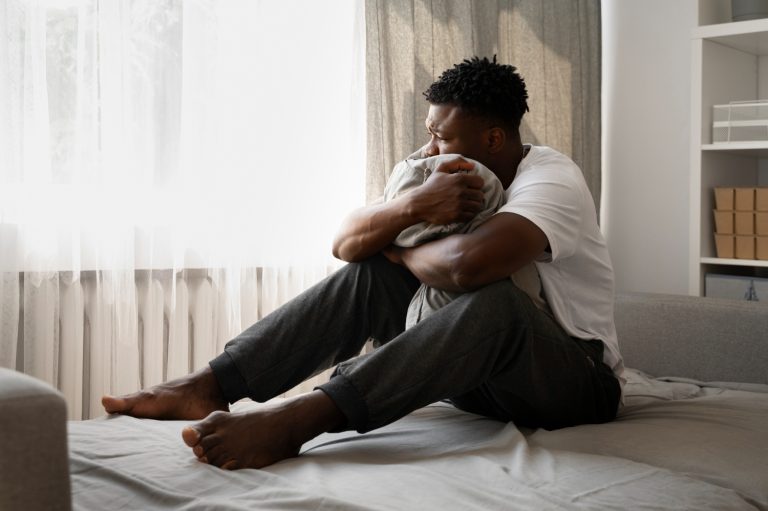
Betrayal Trauma: How Infidelity Rewires Your Nervous System
Betrayal trauma is not just emotional pain. It can feel like your whole body has been shaken.
When someone you deeply trusted breaks that trust through infidelity, secrecy, pornography use, sex addiction, emotional affairs, or repeated dishonesty, the impact can feel overwhelming. Many people expect to feel sad or angry after betrayal. What surprises them is how physical the experience can become.
You may not sleep well. You may feel sick to your stomach. You may replay conversations over and over. You may check phones, emails, bank statements, social media, or timelines trying to understand what really happened. You may feel calm one moment and completely flooded the next.
This is not you being dramatic.
Betrayal can affect the nervous system. When the person who was supposed to be safe becomes the source of danger, your brain and body can move into survival mode. You may feel anxious, hyper-alert, emotionally numb, easily triggered, or unable to trust your own judgment.
At Innovative Counselling Solutions in Calgary, betrayal trauma counselling helps individuals and couples understand what has happened, stabilize emotionally, rebuild safety, and begin the healing process with compassion and clarity.
What Is Betrayal Trauma?
Betrayal trauma happens when someone you depend on for emotional safety, commitment, honesty, or security violates that trust in a deeply painful way.
This can happen in many situations, including:
- Infidelity
- Repeated lying
- Hidden pornography use
- Sex addiction
- Emotional affairs
- Financial secrecy
- Secret online relationships
- Compulsive sexual behaviour
- Repeated broken promises
- Discovery of a double life
Betrayal trauma is especially painful because the injury comes from someone close. This may be a spouse, partner, parent, caregiver, family member, spiritual leader, or another trusted person.
In romantic relationships, betrayal often creates a deep emotional rupture. The betrayed partner may not only grieve what happened. They may also grieve what they thought the relationship was.
They may ask:
“How long has this been going on?”
“What else do I not know?”
“Was any of it real?”
“Can I trust this person again?”
“Can I trust myself again?”
“How did I miss the signs?”
“What does this mean about me?”
These questions can become consuming because betrayal affects the basic sense of safety.
Why Betrayal Feels So Overwhelming
Betrayal is not only about the event itself. It is about the collapse of trust.
When you discover infidelity or hidden sexual behaviour, your brain may begin trying to make sense of the danger. It wants a clear story. It wants certainty. It wants to know whether you are safe.
But betrayal often creates confusion instead of clarity.
There may be missing details, partial truths, denial, defensiveness, blame-shifting, or trickle disclosure. Trickle disclosure happens when information is revealed slowly over time instead of honestly and fully. This can make the trauma worse because every new discovery reopens the wound.
Your nervous system may begin to react as though danger is still present.
This is why betrayal trauma can feel like:
- Constant anxiety
- Emotional flooding
- Panic
- Numbness
- Obsessive thinking
- Difficulty sleeping
- Loss of appetite
- Anger outbursts
- Feeling unsafe in your own home
- Difficulty focusing
- Loss of confidence
- Fear of being deceived again
The body is not simply reacting to sadness. It is reacting to a perceived threat to emotional safety, attachment, identity, and stability.
How Betrayal Affects the Nervous System
Your nervous system is designed to protect you.
When your brain senses danger, it can activate survival responses. These responses are not always logical. They are protective.
After betrayal, many people experience a nervous system stuck in fight, flight, freeze, or fawn responses.
Fight
Fight may look like anger, confrontation, shouting, demanding answers, or feeling unable to calm down. Anger is often a protective response. Underneath it may be fear, grief, humiliation, or helplessness.
Flight
Flight may look like wanting to leave immediately, escape the relationship, avoid conversations, stay busy, or emotionally run away from the pain.
Freeze
Freeze may look like numbness, confusion, shutdown, blankness, inability to make decisions, or feeling disconnected from your body.
Fawn
Fawn may look like trying to keep peace, minimizing your pain, blaming yourself, or focusing only on the other person’s needs so the relationship does not collapse.
None of these responses mean you are weak. They are signs that your nervous system is trying to survive something that feels emotionally dangerous.
Why You May Feel Obsessed With Details
Many betrayed partners feel ashamed of how much they want details.
They may keep asking questions. They may search through messages. They may replay timelines. They may want to know where, when, how, who, how long, and what else happened.
This is not because they enjoy pain.
The brain is trying to rebuild reality.
When betrayal is discovered, the old story breaks. What you believed about your partner, your relationship, your past, and your safety may suddenly feel uncertain. The brain wants a complete story so it can understand what happened and protect you from being blindsided again.
However, this search for answers can become exhausting, especially when the other person is defensive, dishonest, vague, or impatient.
Healing requires truth, but truth needs to be handled carefully. In many cases, professional support can help couples navigate disclosure, boundaries, questions, and emotional safety in a structured way.
Betrayal Trauma Is Not “Just Insecurity”
One of the most painful things a betrayed person can hear is, “You are just insecure,” or “You need to move on.”
Betrayal trauma is not simple insecurity. It is a response to broken trust.
If someone has lied, hidden behaviour, violated commitments, or created emotional danger, the betrayed person’s nervous system may become highly sensitive to signs of risk. This can look like suspicion, fear, checking, questioning, or emotional reactivity.
The goal is not to shame the betrayed partner for reacting. The goal is to help create safety, clarity, support, and healing.
Trust cannot be demanded. It has to be rebuilt.
The Link Between Betrayal Trauma and Sex Addiction
Betrayal trauma often appears in relationships affected by sex addiction, pornography addiction, or compulsive sexual behaviour.
When a partner discovers that sexual behaviour has been hidden, repeated, minimized, or lied about, the impact can be devastating. The betrayed partner may feel like the person they loved was living a separate life.
This can create questions like:
“Was I not enough?”
“Were they thinking about others while with me?”
“Have they exposed me to risk?”
“How long have I been lied to?”
“Can I ever feel safe with them again?”
For the person struggling with sex addiction, recovery requires honesty, accountability, and professional support. For the betrayed partner, healing requires safety, validation, truth, and space to process the trauma.
Both people need support, but their needs are not the same.
The person who caused the betrayal needs to take responsibility. The betrayed partner needs care without being pressured to forgive too quickly, trust too quickly, or ignore their own pain.
Common Symptoms of Betrayal Trauma
Betrayal trauma can affect emotions, thoughts, body, relationships, and faith.
Common symptoms may include:
- Shock or disbelief
- Anxiety or panic
- Intrusive thoughts
- Emotional numbness
- Depression or hopelessness
- Anger or rage
- Shame or self-blame
- Loss of appetite
- Sleep problems
- Nightmares
- Difficulty concentrating
- Checking behaviours
- Fear of more disclosure
- Feeling unsafe around the partner
- Loss of sexual confidence
- Spiritual confusion
- Difficulty trusting anyone
- Feeling disconnected from yourself
Some people feel like they are “going crazy.” They are not. They are experiencing the impact of relational trauma.
Why Self-Blame Is So Common
After betrayal, many people turn the pain inward.
They may ask:
“What did I do wrong?”
“Was I not attractive enough?”
“Was I too busy?”
“Did I fail as a spouse?”
“Could I have prevented this?”
These questions are understandable, but they can become harmful.
Relationship issues may be shared, but betrayal is a choice. Infidelity, secrecy, and compulsive sexual behaviour are not the betrayed partner’s fault.
Taking responsibility for the relationship is different from taking responsibility for someone else’s deception.
A healthy healing process helps the betrayed person separate what belongs to them from what does not. This is important because carrying false blame can delay healing and deepen shame.
Healing Begins With Safety
Before trust can be rebuilt, safety must be established.
Safety may include:
- Honest disclosure
- No more secrecy
- Clear boundaries
- Accountability steps
- Access to support
- Emotional stabilization
- Space to ask questions
- Respect for the betrayed partner’s pace
- Consistent behaviour over time
The betrayed partner should not be rushed into forgiveness or pressured to “get over it.” Healing takes time. The nervous system needs repeated evidence that safety is being rebuilt.
Words alone are not enough.
Trust is rebuilt through consistent action.
What Betrayal Trauma Counselling Can Help With
Betrayal trauma counselling provides a safe space to process what happened without being dismissed, blamed, or rushed.
Therapy can help you:
- Understand why your reactions feel so intense
- Calm your nervous system
- Process shock, grief, anger, and fear
- Reduce self-blame
- Rebuild your sense of self
- Clarify boundaries
- Decide what you need next
- Navigate disclosure and truth
- Understand the impact of sex addiction or infidelity
- Explore whether reconciliation is possible
- Support healing whether the relationship continues or ends
Counselling does not force one outcome. The goal is not to tell you whether to stay or leave. The goal is to help you become stable, supported, and clear enough to make decisions from strength rather than fear.
Can a Relationship Heal After Betrayal?
Some relationships do heal after betrayal. Others do not. Both realities are valid.
Healing depends on many factors, including:
- The level of honesty after discovery
- Whether the betraying partner takes full responsibility
- Whether the behaviour has stopped
- Whether there is accountability
- Whether both partners are willing to do the work
- The depth and duration of the betrayal
- The betrayed partner’s emotional safety
- The presence of professional support
Rebuilding trust is not a quick process. It requires patience, transparency, humility, and consistent change. The person who betrayed trust must understand that healing is not finished just because they apologized.
For the betrayed partner, healing may continue long after the initial discovery. Triggers can appear unexpectedly. Anniversaries, locations, conversations, devices, or emotional distance can bring the pain back.
This does not mean healing is failing. It means the wound needs care.
Faith, Forgiveness, and Betrayal
For clients of faith, betrayal can create deep spiritual pain.
Some may feel pressure to forgive quickly. Others may feel ashamed of their anger. Some may wonder where God is in their pain. Others may struggle with religious messages that seem to protect the betraying partner more than the wounded one.
Faith-informed counselling can help create space for these questions.
Forgiveness should not be used to silence pain. Reconciliation should not be forced without safety and repentance. Grace does not mean ignoring harm. Healing can include faith, but it must also include truth, boundaries, and emotional care.
For many people, faith becomes part of rebuilding identity, hope, and strength. But it must be handled with compassion, not pressure.
What To Do If You Recently Discovered Betrayal
If you recently discovered infidelity, hidden sexual behaviour, or a major deception, the first step is stabilization.
You may not need to make every major decision immediately.
Consider these early steps:
- Breathe and focus on immediate safety
- Avoid making rushed decisions in emotional shock
- Reach out to a trusted support person
- Speak with a therapist trained in betrayal trauma
- Write down questions as they come
- Set boundaries around further conversations if needed
- Take care of your body: sleep, food, hydration, movement
- Avoid blaming yourself for someone else’s choices
You are allowed to need time.
You are allowed to ask questions.
You are allowed to feel angry, devastated, numb, confused, or unsure.
Betrayal Trauma Counselling in Calgary
If you are dealing with betrayal trauma in Calgary, support is available.
At Innovative Counselling Solutions, we provide compassionate counselling for individuals and couples affected by infidelity, sex addiction, pornography addiction, secrecy, and relationship betrayal.
Our NE Calgary clinic offers a confidential space where you can process what happened, understand your nervous system, rebuild stability, and begin making decisions about the future with clarity and support.
You do not have to carry this alone.
Book a Confidential Consultation
If betrayal has shaken your relationship, your trust, or your sense of self, counselling can help you begin the healing process.
Call 403-879-2503 or book a free consultation with Innovative Counselling Solutions to speak with a Calgary counsellor who understands betrayal trauma, relationship pain, and recovery after infidelity.
Frequently Asked Questions
What is betrayal trauma?
Betrayal trauma is the emotional and nervous system response that can happen when someone you deeply trust violates that trust through infidelity, secrecy, sex addiction, pornography use, or repeated dishonesty.
Why does betrayal feel so physically painful?
Betrayal can activate the body’s survival response. This may cause anxiety, panic, sleep problems, intrusive thoughts, emotional numbness, stomach discomfort, or feeling constantly on edge.
Is betrayal trauma the same as being insecure?
No. Betrayal trauma is not simple insecurity. It is a response to broken trust and emotional danger in a close relationship.
Can counselling help after infidelity?
Yes. Counselling can help you process shock, grief, anger, fear, self-blame, and confusion after infidelity. It can also support boundaries, communication, and decisions about whether trust can be rebuilt.
Can couples recover after betrayal?
Some couples can recover after betrayal when there is honesty, accountability, consistent change, and support for both partners. Healing takes time and should not be rushed.
Do you offer betrayal trauma counselling in Calgary?
Yes. Innovative Counselling Solutions provides betrayal trauma counselling in Calgary for individuals and couples affected by infidelity, secrecy, sex addiction, pornography addiction, and relationship betrayal.